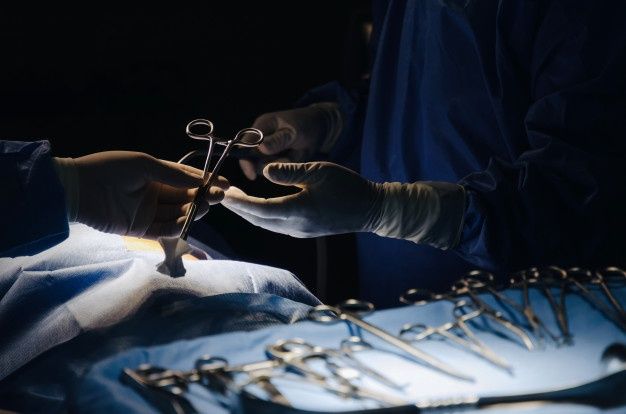
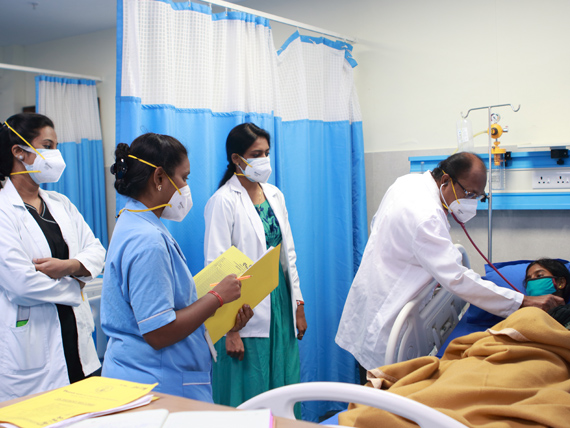
Bharath College and Hospital provides advanced Bronchoscopy services for the diagnosis and treatment of respiratory conditions affecting the lungs and airways. This minimally invasive procedure allows direct visualization of the trachea and bronchi using a specialized bronchoscope, aiding in the detection of infections, tumors, blockages, or inflammation. Our pulmonology specialists, supported by modern imaging and monitoring equipment, ensure the procedure is safe, precise, and comfortable for patients, with comprehensive pre- and post-procedure care.
We is a long established fact that a reader will be distracted restore inexpensive e-markets vis tontellectual capital. Holisticly reinvent compelling niche markets via scalable strategic. by the readable content of a page when looking. vis corporate intellectual capital. vis corporate intellectual capitalh olisticly reinvent compelling niche markets via scalable strategic. by the readable content of a page when looking.
If you have any more questions, Contact us
It is used to examine the airways and lungs for infections, blockages, tumors, or other abnormalities.
Bronchoscopy is generally well-tolerated, with local anesthesia or sedation to minimize discomfort.
Typically, the procedure lasts 20–60 minutes depending on the complexity of the case.
Risks are minimal but may include mild bleeding, infection, or temporary coughing.
Most patients can resume normal activities shortly after the procedure, though some may require short-term monitoring.