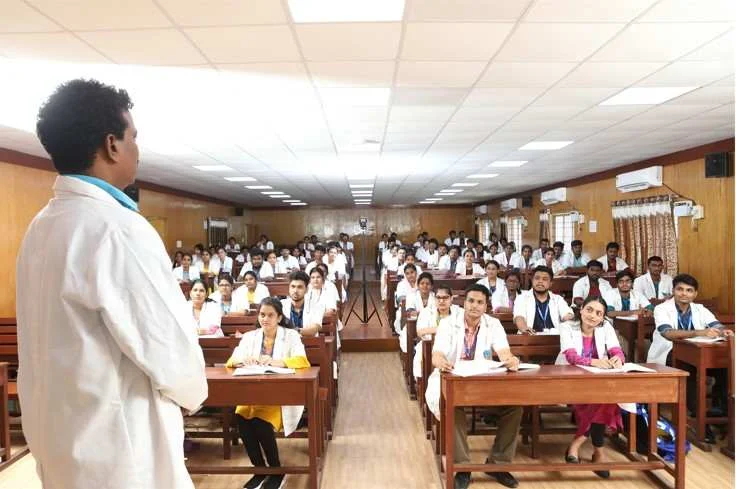
Bharath College and Hospital provides advanced diagnostic services including ECG (Electrocardiogram), EEG (Electroencephalogram), and EMG (Electromyography) to assess the functioning of the heart, brain, and muscles/nerves, respectively. Using cutting-edge equipment and precise techniques, these tests help detect cardiovascular, neurological, and neuromuscular disorders. Our team of cardiologists, neurologists, and physiologists ensures accurate testing, interpretation, and guidance for treatment plans.
We is a long established fact that a reader will be distracted restore inexpensive e-markets vis tontellectual capital. Holisticly reinvent compelling niche markets via scalable strategic. by the readable content of a page when looking. vis corporate intellectual capital. vis corporate intellectual capitalh olisticly reinvent compelling niche markets via scalable strategic. by the readable content of a page when looking.
If you have any more questions, Contact us
ECG records the electrical activity of the heart to detect abnormalities in heart rhythm or function.
EEG monitors electrical activity in the brain to detect seizures, sleep disorders, or neurological conditions.
EMG evaluates the electrical activity of muscles and nerves to diagnose neuromuscular disorders.
ECG and EEG are completely painless; EMG may cause mild discomfort during electrode insertion.
ECG: 5–10 minutes, EEG: 30–60 minutes, EMG: 30–90 minutes depending on the area tested.